
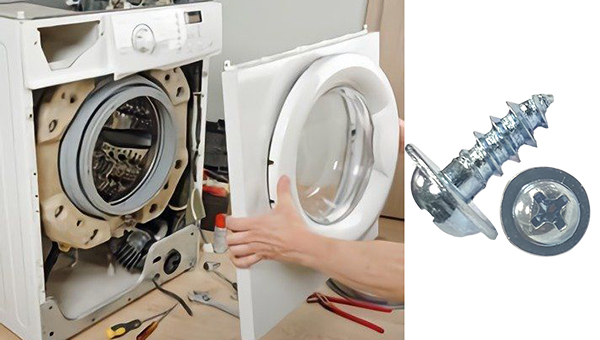
A Professional Guide to the Installation and Application of Round Head Washer Self-Tapping Screws for Sheet Metal
Okay, let’s talk straight: putting screws into sheet metal can sometimes feel like a guessing game. You want a connection that’s really tight, won’t shake apart, and just looks clean when you’re done. But if you take a shortcut or just guess at the steps, you can easily end up with a stripped-out hole, a wobbly mess, or even a cracked piece of metal. That’s exactly where these Round Head Washer Self Tapping Screws Sheet Metal Screws come in to save the day. Think of them as your two-in-one, no-fuss fastener—they’ve got the washer built right in so you don’t have to hunt for one. This guide is going to take you through, step-by-step and no rushing, the proper way to handle the whole fitting and connection process so you end up with a perfect, pro-level hold each and every time, with all the guesswork taken out.
Component Overview and Key Advantages
So, what’s the big deal with these particular screws? Honestly, they’re just a really smart, combo-piece design made for thin metals and plastics. Let’s break it down in plain talk:
That Built-In Washer (The Part Right Under the Head): It’s all one piece—you don’t add a washer later. That wider flat part spreads out the squeezing force really evenly. What does that mean for you? It keeps the screw head from sinking into and bending your sheet metal, it gives you a nicer seal against things like water or dust, and honestly, it just ends up looking more finished.
The Self-Tapping Point: It comes to a sharp point that’s meant to carve out its own threads as it goes in. The good news? You don’t have to thread the hole first. The important news? You still absolutely need to drill a starter hole to guide it straight.
The Threads Themselves: They’re more pointed and have more space between them than, say, a wood screw. That’s specifically so they can dig into and really hold onto softer metals.
Here’s the Real Takeaway: You save yourself time because you’re not trying to line up a separate tiny washer. You get a nice, even contact patch that won’t mess up your material. And they’re just ideal for painted or finished surfaces where you want to avoid scratches and make sure things stay snug.
Pre-Installation Considerations and Preparation
Seriously, don’t just pick up your drill and start going at it. Putting in a tiny bit of prep work here makes the whole job run way better:
Choose the Correct Screw Type: Think about where this thing is going to live. If it’s headed outside or into a damp garage, using a regular steel screw with aluminum might make them rust together. Just try to pair up your metals smartly.
Drill the Just-Right Starter Hole: This right here is the magic key. The hole needs to be a little bit smaller than the thick middle part of the screw shaft (not the outside of the threads). If the hole is too tiny, you’ll fight to get the screw in and might snap it. Too big, and the threads have nothing to bite into—it’ll just spin in place. When you’re not sure, look up a guide from the screw company, but a safe bet is a hole that’s about 85% as wide as that screw’s core.
Pay Attention to Placement: Keep your screws back from the very edge of the metal (try for at least double the width of your hole) so the metal doesn’t rip. Also, double-check that the total stuff you’re screwing through isn’t thicker than the pointed end of the screw can actually go through and thread into.

The Step-by-Step Fitting and Connection Process
Do these steps in order, and you’ll nail the installation:
Drill & Make It Neat: Drill your pilot hole straight through everything you’re joining. Then, take an extra five seconds to clean off any rough, sharp bits of metal around the edge of the hole with a file or by twisting a bigger drill bit by hand. This lets the washer sit down perfectly flat.
Hold It All Still: Clamp your materials together tightly. If they can slide around while you’re driving the screw, you’ll get crooked holes and a joint that isn’t strong.
Start Driving It In: Use a drill or driver with the exact right bit—a PH2, PZ2, or a hex bit—that fits in there without wobbling. Put the screw tip in the hole, keep the drill straight up and down (a true 90-degree angle!), and start driving with smooth, even pressure. Let the screw’s tip do the cutting work for you.
Setting It For Good: This is the most important part. Drive the screw until that washer face is pressed down firm and completely against the metal. Stop as soon as you feel solid, firm resistance. You’re going for nice and tight, not so crazy tight that you chew up the new threads you just made inside the metal. The washer shouldn’t spin easily; it should feel locked in place.
Common Pitfalls and Best Practices for Reliability
The Major Goof: Turning It Way Too Much. Over-tightening is the absolute top reason these connections fail. It instantly ruins the threads inside the metal, and your connection is basically useless.
How to Avoid It: If your drill has a clutch you can adjust, use it. Set it to a low setting to begin with. If you’re using a regular drill, go super slow on the last few turns and stop the instant it feels fully seated. Trust me, your hand is a better tool here than you realize.
Slip-Up #2: Not Putting It In All the Way. If that washer is still spinning or isn’t touching the metal, you’re getting zero clamping force. It’s just sitting there.
How to Avoid It: Do a simple look-and-feel check. Run your fingernail over it. The washer should be lying flat and not move at all.
Slip-Up #3: Using a Beat-Up Driver Bit. A chewed-up bit will ruin the head of the screw, making it almost impossible to drive in all the way or get out later if you need to.
How to Avoid It: Look at your bits before you start. Use ones that are sharp, in good shape, and fit the screw head exactly right. It’s a cheap part that saves you so much trouble later on.
Conclusion
Getting the hang of Round Head Washer Self Tapping Screws Sheet Metal Screws is really about trusting the method. It’s not hard: get what makes their design clever, spend the minute it takes to drill the proper-sized starter hole, and then drive them in with a gentle touch instead of all your muscle. When you stick to this fitting and connection process, you leave behind those annoying, loose failures and start making clean, tough, and seriously dependable joints that are going to hold up just the way you pictured. Now go ahead and put something together with total confidence.