
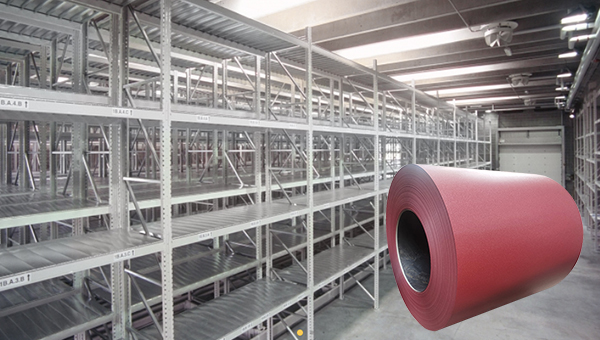
1. Introduction — The Hidden Cost of Wrong Material Decisions
Why do roofing systems that look solid on day one start failing within a few years?
For procurement managers and roofing manufacturers in Southeast Asia and Central Asia, this question comes up often. Harsh climates—high humidity, strong UV exposure, and seasonal temperature swings—put roofing materials under constant stress.
In many cases, failures are not caused by poor installation, but by selecting the wrong sheet metal coil or low-performance coil sheet metal at the sourcing stage.
2. Problem — What Goes Wrong in Real Projects
Across industrial and commercial roofing projects, several recurring issues appear:
- Premature corrosion due to insufficient zinc coating
- Panel deformation caused by thermal expansion
- Leakage at fastening points
- Fastener pull-out under wind pressure
- Inconsistent panel quality from batch-to-batch variation
A common root cause is the use of substandard sheet steel coil that cannot meet structural or environmental demands.
Typical sourcing mistakes include:
- Choosing price over coating thickness
- Ignoring tensile strength requirements
- Poor matching between coil material and fasteners
These issues lead to higher maintenance costs and reduced roof lifespan.
3. Solution — Why Coil Sheet Improves Roofing Performance
Using high-quality coil sheet, especially galvanized sheet metal coils, offers a more reliable approach.
Key benefits:
- Consistent thickness across the entire batch
- Superior corrosion resistance
- Better forming performance for roofing profiles
- High compatibility with self-drilling screws
- Suitable for automated production using a sheet metal coil cutting machine
For manufacturers, coil-based production ensures:
- Stable product quality
- Reduced material waste
- Higher production efficiency

4. Technical Explanation — Engineering Advantages of Coil-Based Materials
Continuous Processing Efficiency
Unlike traditional sheet processing, coil-fed systems allow continuous roll forming, reducing downtime and manual handling.
Comparison:
- Coil-fed processing: high efficiency, low waste
- Sheet-fed processing: slower, higher labor input
Coating and Protection
High-grade galvanized sheet metal coils typically offer:
- Zinc coating from Z80 to Z275
- Optional color coating (PPGI or PPGL)
This enhances resistance to:
- Moisture and rainfall
- Salt corrosion in coastal regions
- UV radiation
System Compatibility
When used together with:
- Hex head drilling screws (DIN 7504K)
- EPDM rubber washers
The roofing system achieves:
- Strong fastening performance
- Reliable waterproof sealing
- Long-term durability under dynamic loads
5. Application — Where Coil Sheet Delivers the Best Results
Industrial Buildings
- Manufacturing plants
- Warehouses
- Distribution centers
Cold Chain Infrastructure
- Cold storage facilities
- Refrigerated logistics hubs
Transport and Logistics
- Container yards
- Truck depots
- Railway facilities
Commercial Structures
- Workshops
- Storage units
- Light industrial buildings
These environments require materials that can withstand both mechanical stress and environmental exposure.
6. Selection Guide — What Procurement Managers Should Focus On
When sourcing sheet metal coil, a structured evaluation is essential.
Material Parameters
- Thickness consistency (recommended tolerance: ±0.02 mm)
- Yield strength suitable for structural use
- Coating type: GI, PPGI, or PPGL
Processing Requirements
- Compatibility with roll forming systems
- Suitability for your sheet metal coil cutting machine
Fastener Integration
Ensure proper matching with:
- Self-drilling screws
- Sealing washers (EPDM)
- Structural brackets and supports
A mismatch in any of these areas can compromise the entire roofing system.
7. One-Stop Supply — Reducing Risk in Procurement
Working with multiple suppliers often creates:
- Quality inconsistencies
- Delivery delays
- Compatibility issues during installation
A one-stop supply approach offers:
- Coil sheet materials
- Fasteners (screws, bolts, rivets)
- Washers and sealing components
- Steel brackets and profiles
This simplifies procurement and ensures all components are engineered to work together.
8. Conclusion — Material Choice Defines Roof Performance
For roofing manufacturers serving Southeast Asia and Central Asia, durability starts with the right material.
Selecting high-quality coil sheet metal is not just a purchasing decision—it is a critical engineering choice that determines:
- Service life of the roof
- Maintenance frequency
- Overall project cost
When properly specified and combined with compatible fastening systems, coil sheet provides a reliable foundation for long-lasting roofing solutions.