20+ Years of Experience
Technology Fasteners, Hardware, Solar Mounting Fixings
SPECIALITY and OTHERS
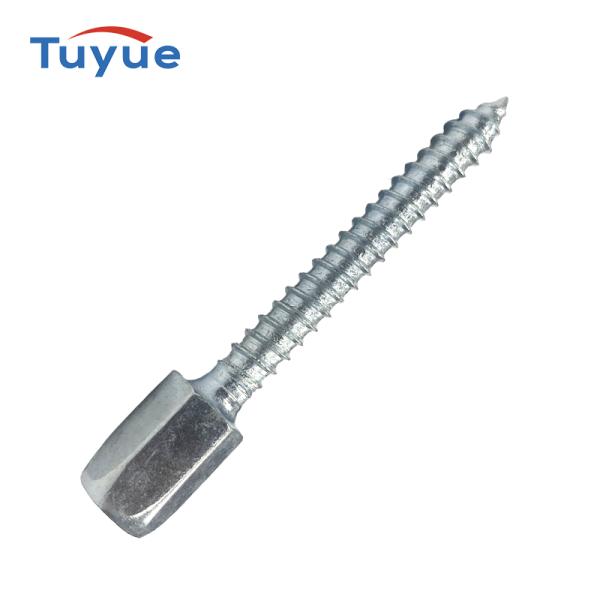
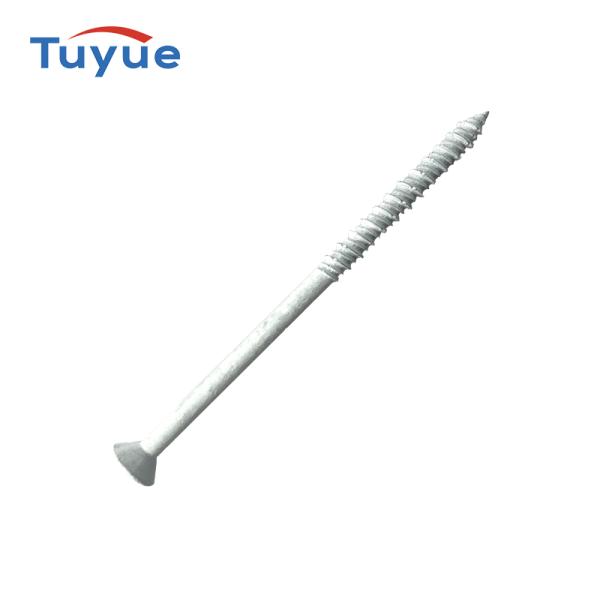
White zinc concrete anchors, wooden anchors, concrete threaded rod supports
So, what can you actually use these for?
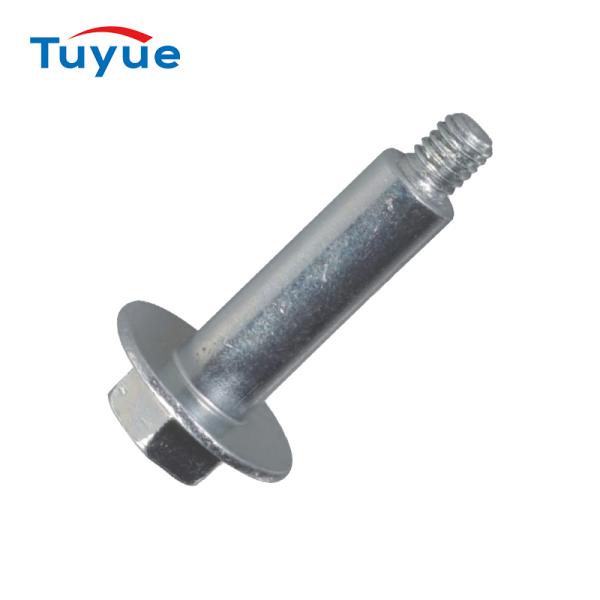
Basically, think of these double-headed screws as the ultimate "connector" piece. They're perfect for those times when you need to join two things together with a sturdy, threaded post in the middle.
Here are the most common spots you'd use one:
Attaching stuff to bigger machines: Need to mount a smaller part, like a guard or a sensor, onto a large piece of equipment? Screw one end into the main body, slide your part on, and secure it with a nut on the other end. It's ideal for parts you might need to remove later for service.
Joining thick materials: When a regular bolt is too short or just awkward for chunky components, this is your simple fix.
Hanging things securely: A specific type, often called Dowel Hanger Bolts, is awesome for hanging pipes or equipment from concrete ceilings or beams, working just like heavy-duty concrete anchors.
You'll find them everywhere from car factories and power plants to big construction sites.
How are they made? (The simple version)
It's a pretty cool process that turns basic metal rods into the precise parts we need.
Start Simple: It all begins with a straight metal rod. It gets cleaned up, cut to your exact length (from a tiny 5mm to a long 200mm), and then the real magic happens.
Creating the Threads: The cut pieces are fed into a machine that uses super-hard dies to "squeeze" the threads onto both ends. This rolling process makes the threads stronger than if they were just cut.
The Finishing Touch: To fight rust and make them last, they get a protective coat. This could be a shiny zinc plating, a sleek black finish, or other tough coatings for harsh environments.
And about getting a sample to try out...
We can't see the specific sample policy from here—that's always up to the individual supplier. But getting a sample to test-fit is usually pretty easy!
Your best move is to:
Browse online on industrial supplier websites.
Just ask! Reach out directly to a few manufacturers.
Be specific when you message them: "Hey, I'd like to test a sample of your double head screw, maybe an M8 size, 50mm long, with zinc plating." They'll let you know their policy.